


In conversations around development, the focus is often placed on systems, infrastructure, markets, and policies. While these are all essential, there is a foundational element that is sometimes overlooked—the inner transformation of people.
At its core, development is not only about changing environments; it is about shaping mindsets, values, and purpose.
This is where faith becomes significant.
For many individuals and communities, faith provides a moral compass—a guiding framework for how we live, lead, and serve. It shapes how we view responsibility, stewardship, integrity, and our role in the lives of others.
In the context of intentional sustainable development, these values are not optional—they are essential.
The Role of Faith in Development
Faith encourages:
- Stewardship – caring for resources, communities, and opportunities responsibly
- Integrity – building systems that are honest, transparent, and accountable
- Service – prioritizing the well-being of others, not just individual gain
- Purpose – understanding that our work contributes to something greater than ourselves
Without these values, even the most well-designed systems can fail.
Why Community Matters in Faith
Growth in faith is not meant to happen in isolation.
Communities play a vital role in:
- Encouraging one another
- Sharing wisdom and experiences
- Building accountability
- Strengthening resilience during challenges
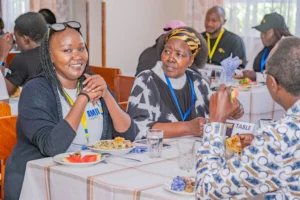
A faith-centered community creates a space where individuals are not only growing professionally or socially—but also spiritually.
Faith and Intentional Development
Intentional sustainable development requires more than strategy it requires alignment of heart, mind, and action.
Faith helps anchor that alignment.
It reminds us that:
- Development is about people, not just projects
- Impact should be guided by values, not just outcomes
- True transformation begins from within and flows outward
When individuals are grounded in strong values, they are more likely to build systems that are inclusive, ethical, and sustainable.
Creating Space for Spiritual Growth
Recognizing the importance of this foundation, communities are increasingly creating spaces where individuals can grow not only in knowledge and skills—but also in faith.
These spaces are designed to:
- Encourage reflection and personal growth
- Strengthen understanding of purpose
- Build a community rooted in shared values
They are not about exclusion—but about providing support for those who seek spiritual grounding as part of their journey.
A Holistic Approach to Development
Sustainable development is most effective when it is holistic—addressing not just economic and social needs, but also the inner life of individuals.
By integrating faith, community, and action, development becomes more than a process—it becomes a way of life.
Conclusion
The future of development lies not only in stronger systems, but in stronger people.
People who are guided by purpose.
People who act with integrity.
People who are committed to serving others.
Because when individuals grow from within, the communities and systems they build are not only sustainable—they are transformational.