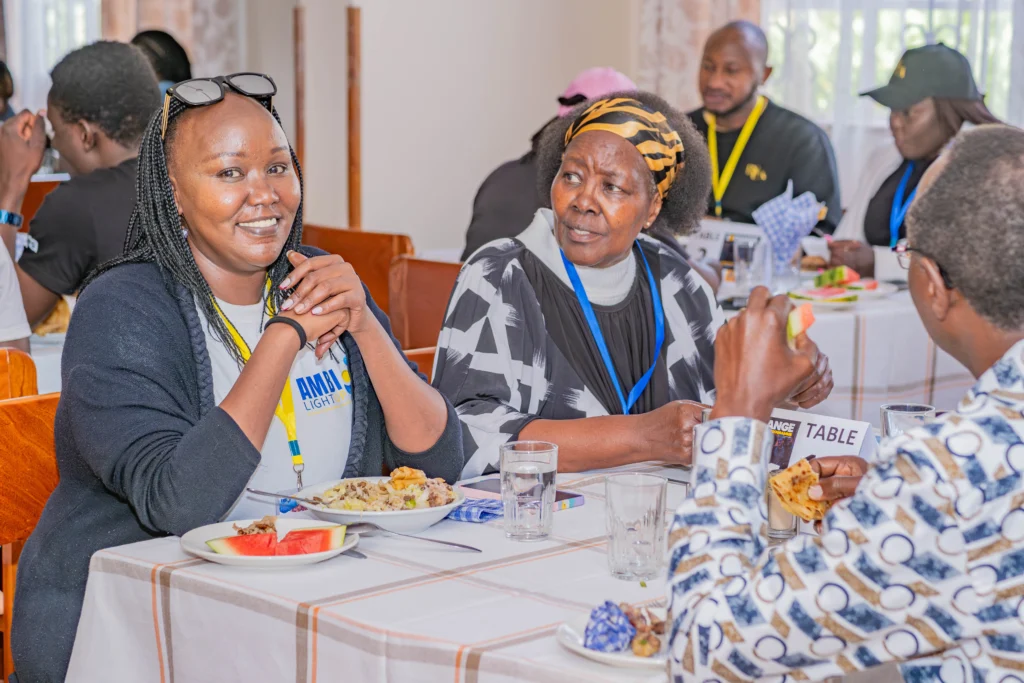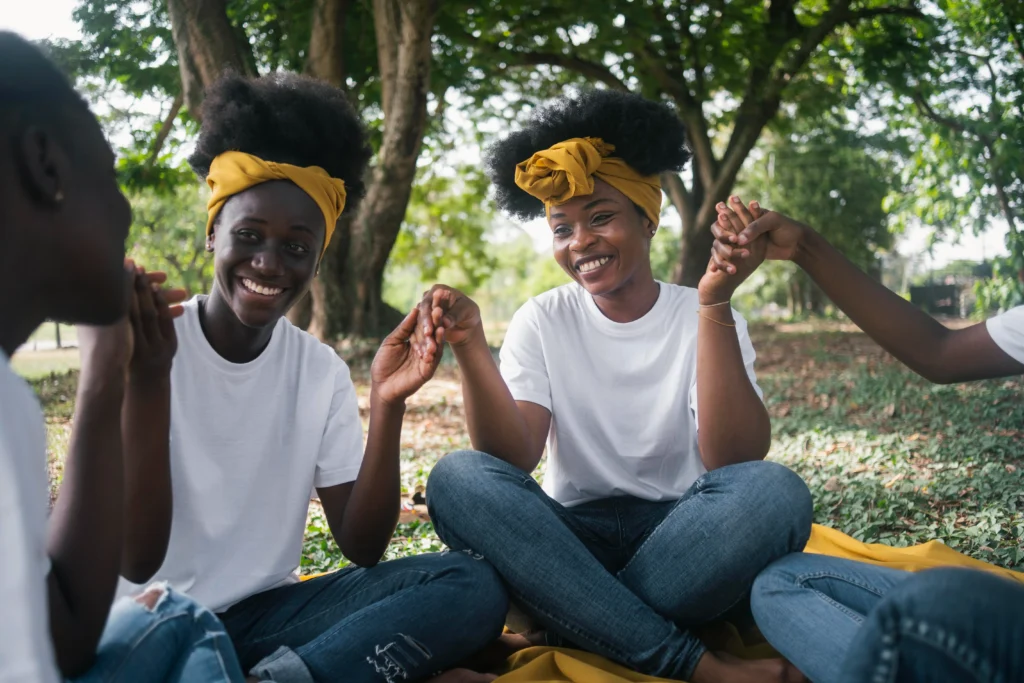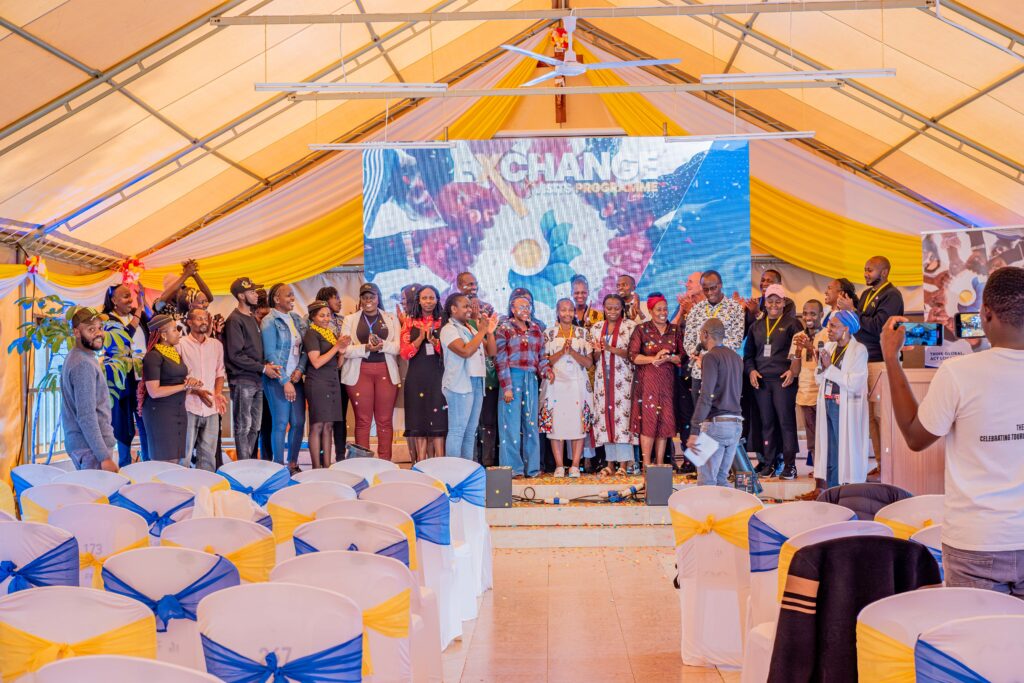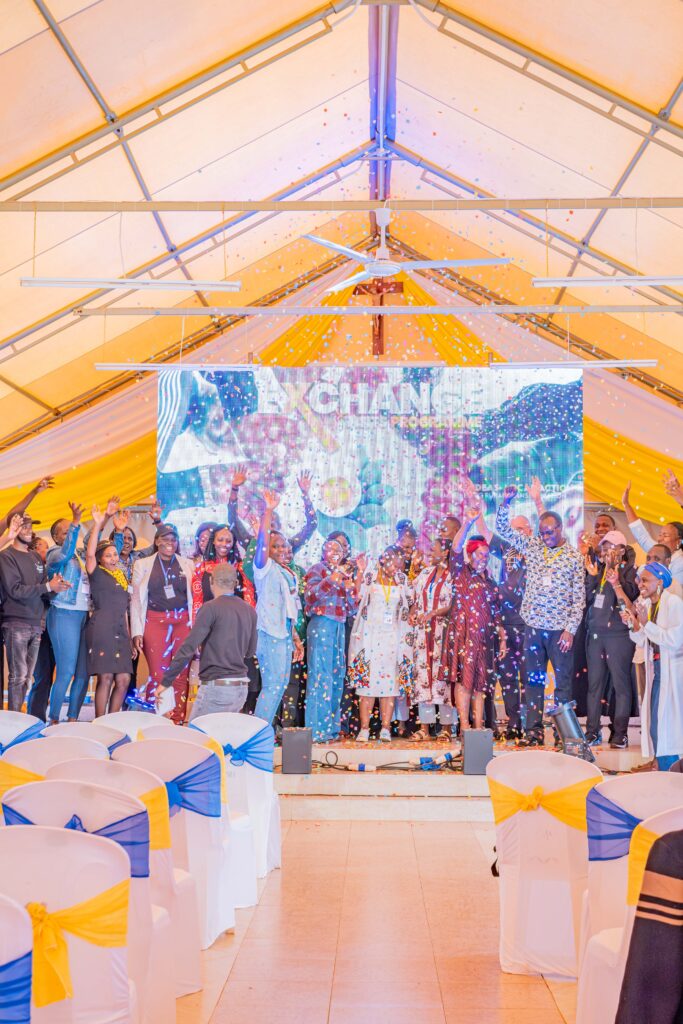


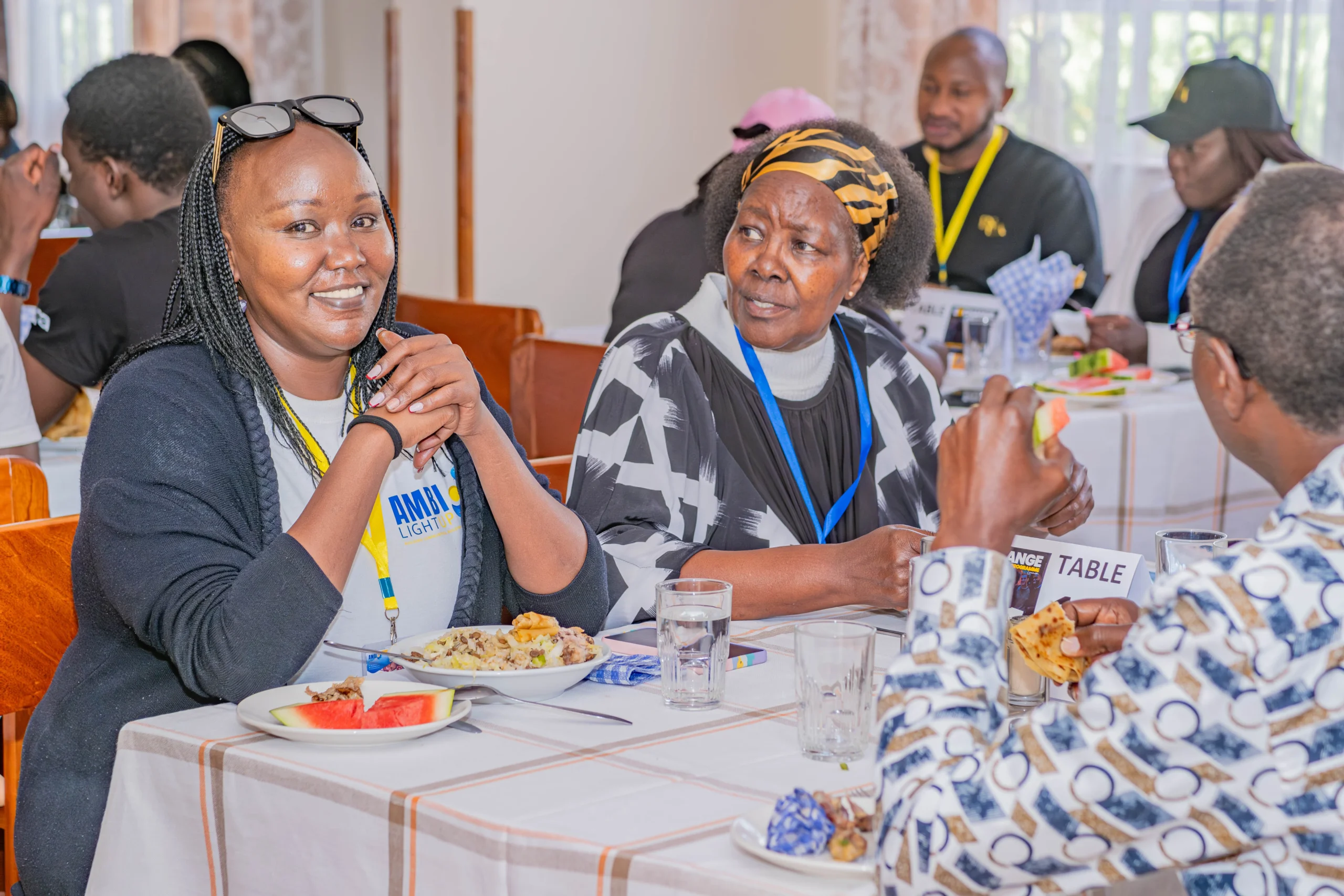

In an increasingly interconnected world, learning can no longer be confined to classrooms, offices, or familiar environments. Real growth happens when people step outside their usual spaces and engage with new systems, communities, and ways of thinking.
Exchange and visits programs have emerged as powerful tools for bridging gaps—between rural and urban communities, theory and practice, and local and global perspectives.
At their core, these programs are about exposure.
They allow individuals to:
- Experience different environments firsthand
- Understand how systems function in real contexts
- Learn practical solutions that can be adapted and applied elsewhere
For students and young professionals, exchange programs offer more than knowledge—they build confidence, adaptability, and critical thinking. For organizations and institutions, they create opportunities for collaboration, innovation, and shared learning.
One of the most significant benefits of exchange and visits programs is their ability to break down assumptions. What may seem like a challenge in one context may already have a solution in another. By connecting people across regions and sectors, these programs unlock ideas that would otherwise remain siloed.
They also play a key role in inclusive development. By facilitating interactions between rural and urban communities, exchange programs ensure that knowledge flows in both directions—recognizing that innovation is not limited to one setting.
Ultimately, exchange and visits programs are not just about travel—they are about transformation.
They shape how people think, how they collaborate, and how they contribute to the development of their communities and beyond.